
Delaware Valley Native Trees
All trees in this page are listed as native species to the Delaware Valley Region by either BONAP or USDA research/literature.
The Greater Delaware Valley Regional Area straddles two of the most ecologically diverse areas of the east coast. Please select either the Atlantic Coastal Plain or the Piedmont to narrow down native plant recommendations for your EcoRegion.
We care about the provenance/origin of our trees and shrubs, and give you the information you need to make an informed decision about what you would like to plant in your landscape.

Select your EcoRegion below:











































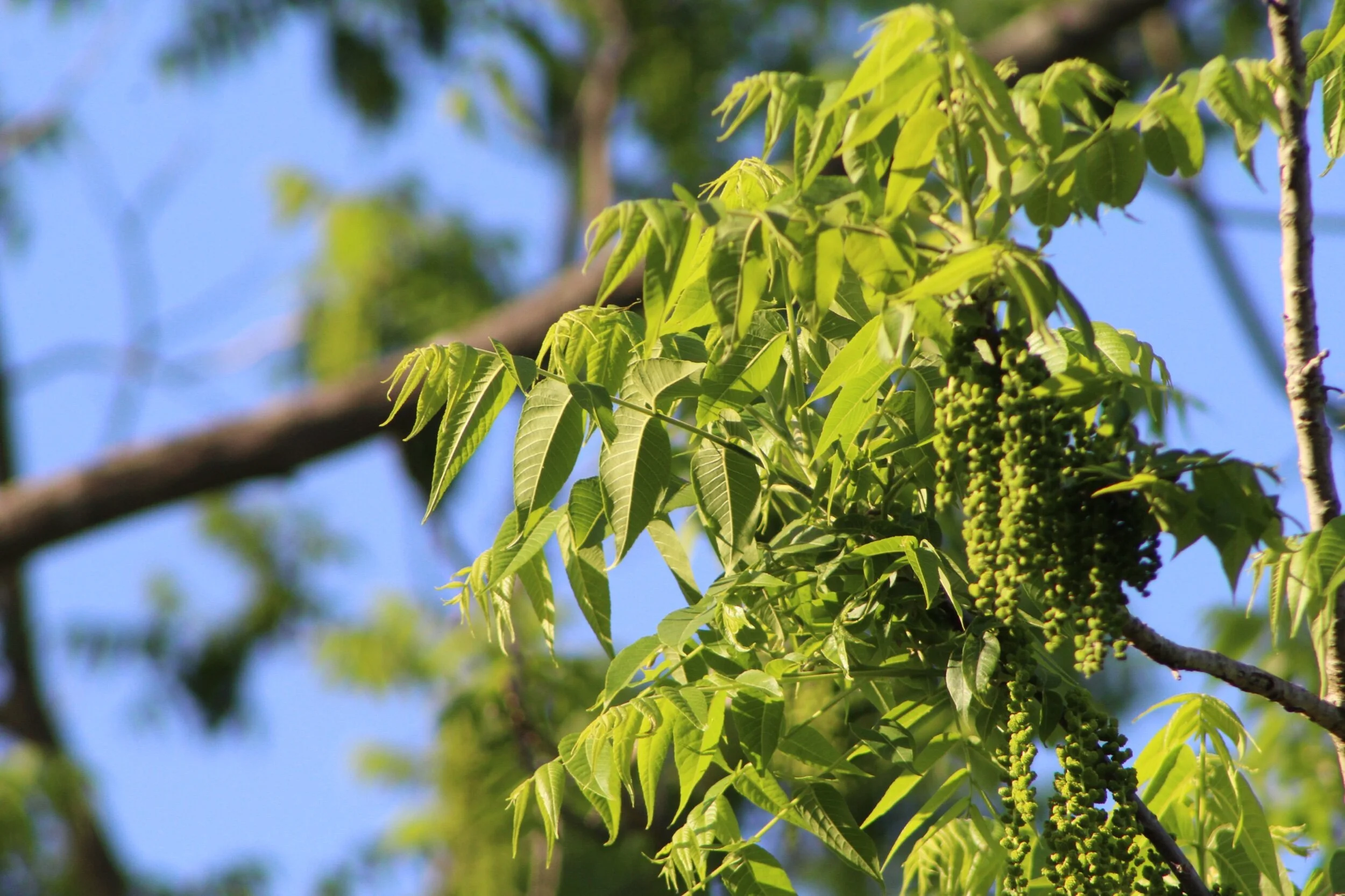


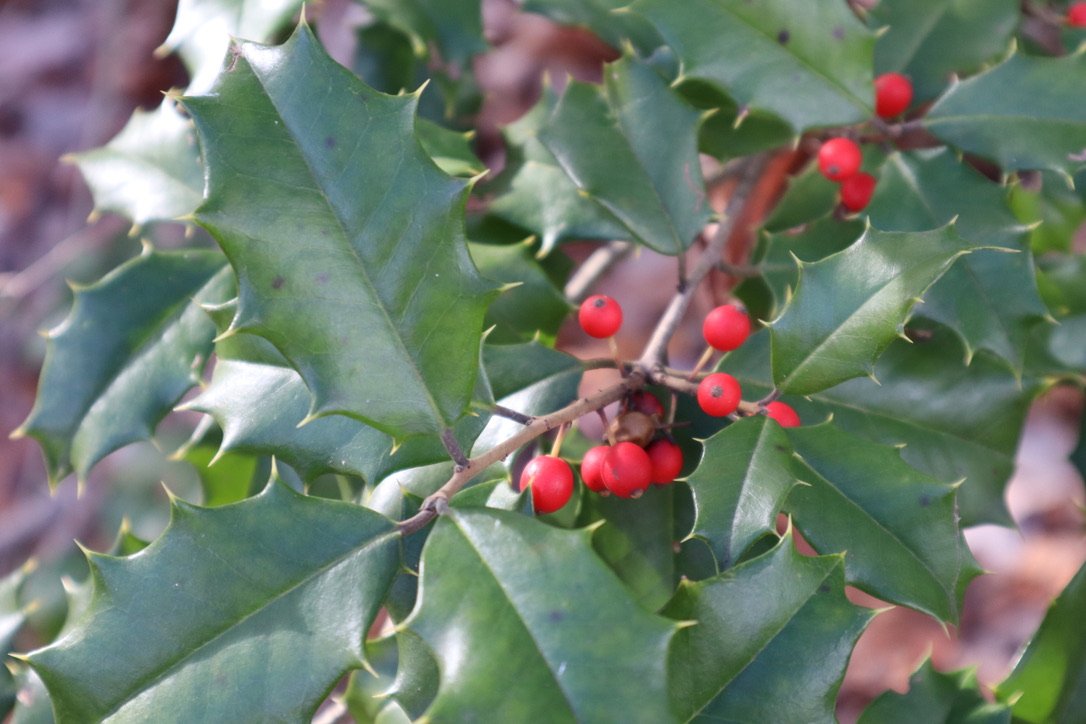


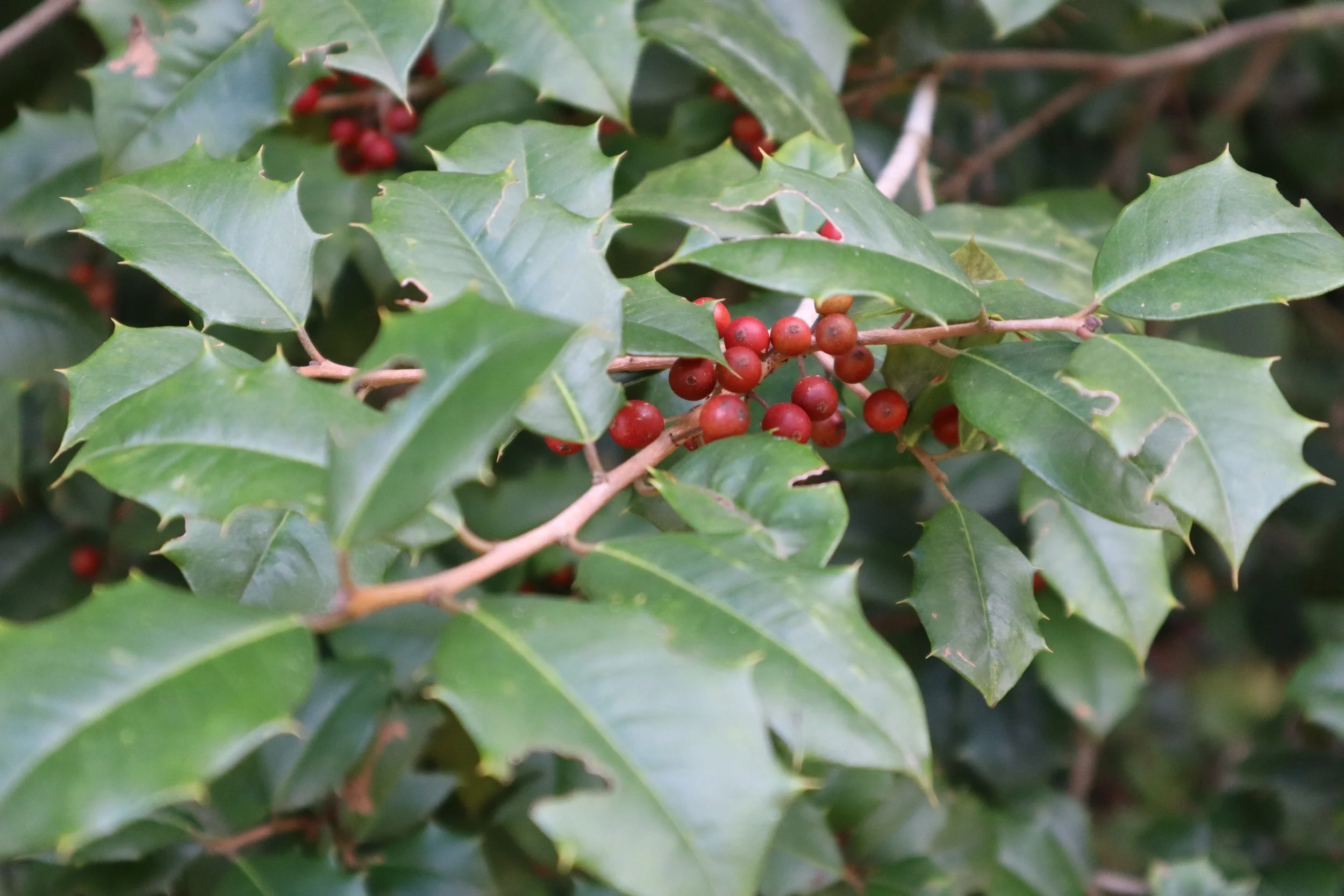


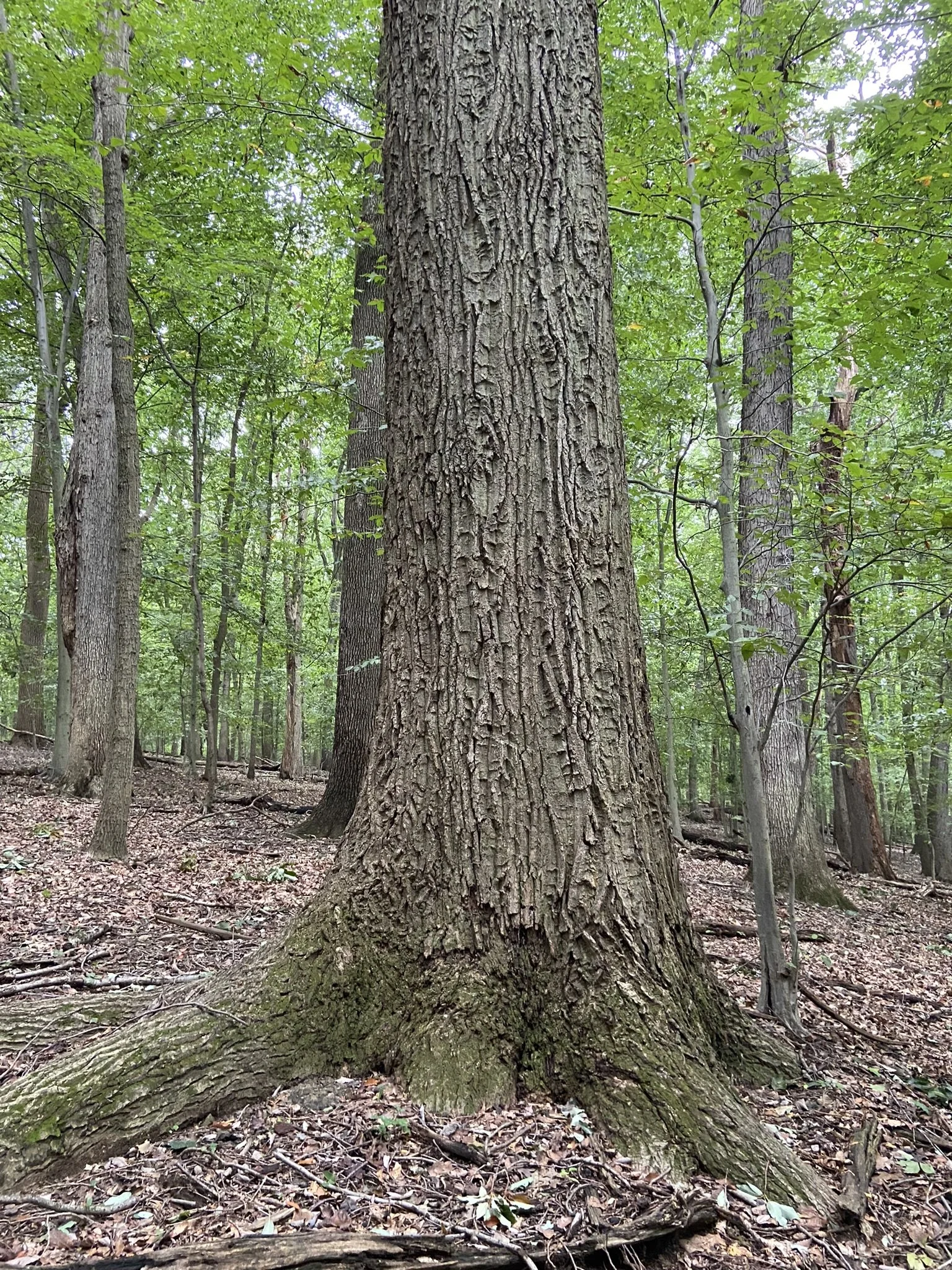




A note on provenance terminology:
WILD - from wild origins with seed determined to be indigenous to collection area. Seed lot information available on tree tags with Level 4 Ecoregion data.
Local Wild (WL)- Genetically local wild seed sourced from within the Delaware Valley Region Level 4 ecoregions, and bound between USDA hardiness zone 6-8. Appropriate for conservation plantings.
Regional Wild (WR)- Native wild seed sourced from anywhere within the species native range and within our shared Level 2 ecoregions. Appropriate for conservation plantings with discretion. For genetic diversity, assisted migration within the original native range, or reintroduction of extirpated species.
Select Wild (WS)- Wild selections from anywhere within the species native range. Appropriate for horticultural plantings, research, or reintroduction following extirpation from regional area or species in decline. Selected for vigor, disease resistance, male/female choice, or taste/color. Propagation can include both seed or cuttings and generally is less than 3 generations from wild selection.
STRAIGHT - straight species
Straight Native (ST)- Common native species propagated for over 3 generations by humans and established in the horticultural industry. Mother trees selected from regional stock proving adaptability to our local area. These are the most common type found at larger nurseries and online seed sources.
HORTICULTURAL - improved varieties by breeding or cloning for horticultural use.
Improved (HI) - Native species bred for improved characteristics, such as vigorous growth, color, disease resistance, or taste over several generations. Seeds sourced from open-pollinated orchard settings where both parents are improved. These are more likely to show improved traits in offspring.
Cultivars (HC) - These are genetic clones of particular horticultural trees that were bred and selected for specific desirable traits. As these are genetic clones, they provide consistent results on the farm or garden. Named clones will be tagged on the labels, for example - a native ‘Yates’ American persimmon.